
What is Red Light Therapy? 7 Surprising Facts You Don't Know
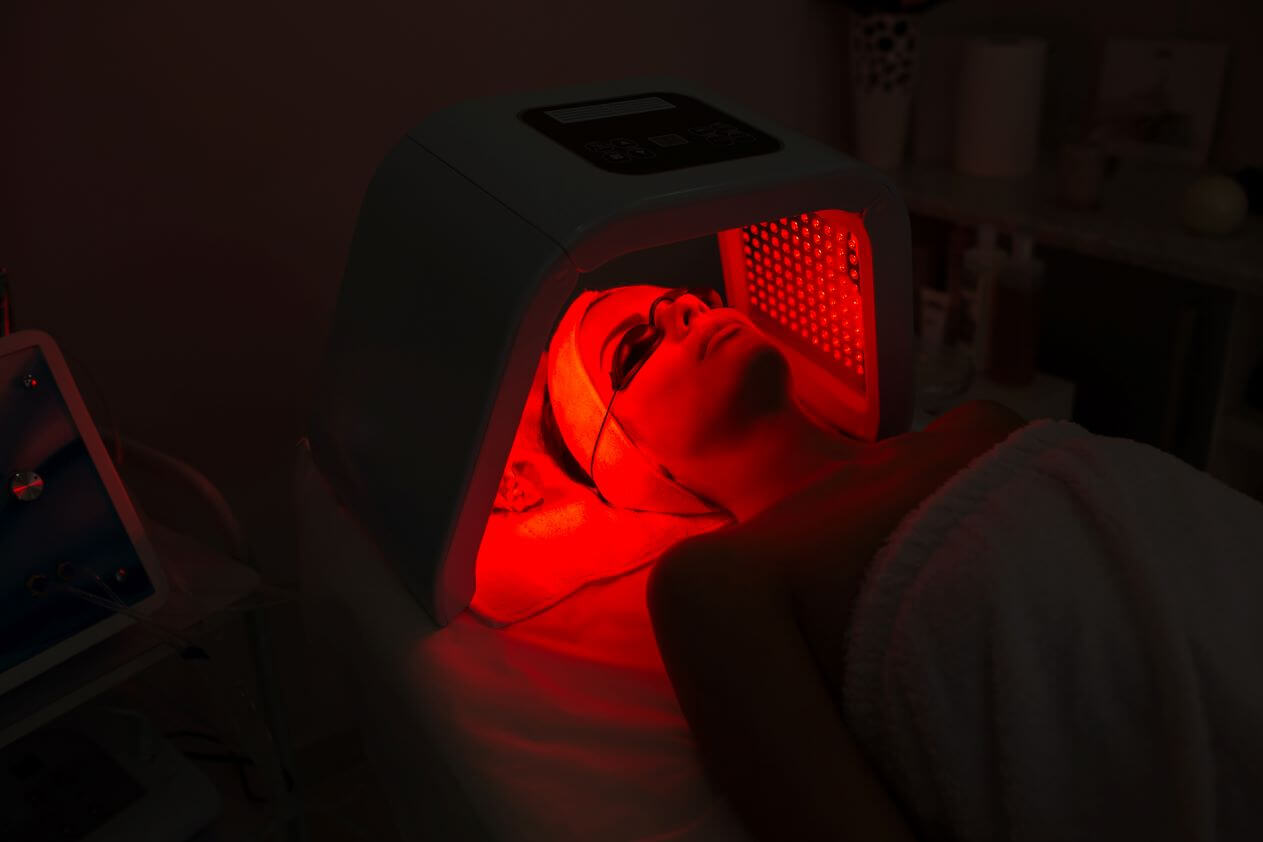
What is red light therapy, and why should you add it to your skincare routine? Let's talk about this trending skin treatment, how it can benefit you and some cool red light therapy facts you might not know about.
Red light therapy has been around since the 1960s, but it wasn't until recently that it became a popular treatment to reverse skin aging and collagen reduction. Today, you can buy your own red light therapy device and conduct sessions from the comfort of your own home.
When I first found out about red light therapy devices, the first thing that I noticed was how affordable they are compared to regular sessions at a spa or therapy center. Of course, I had to do my due diligence before jumping on the bandwagon and potentially saving thousands on my skincare routine. So, let's take a look at what I found out about red light therapy.
Red light therapy can increase collagen density
Aging causes a natural reduction in collagen, which, in turn, makes the skin thinner, less voluminous and more prone to wrinkles. This is why a lot of anti-aging therapies and products today revolve around increasing collagen production or slowing down collagen loss.
There are plenty of ways you can increase your body's collagen levels — or at least delay its loss as you age. You could try eating more foods high in collagen, such as bone broth, egg whites and organ meats. However, if you want something more intentional yet non-invasive, red light therapy can help.
A 2023 clinical study published in Skin Research and Technology found that red LED photobiomodulation increased dermal density in 20 women who used a red-light mask twice a week for three months. Researchers measured a 26.4% increase in dermal density after 28 days, rising to 47.7% after 84 days, along with improvements in other measures of skin aging.
NASA originally developed red light therapy to promote plant growth during space expeditions
According to the National Aeronautics and Space Administration, red light therapy was originally studied and developed to grow plants in space. As they experimented with different light wavelengths, the researchers noticed that the abrasions on their hands exposed to the light healed faster than usual.
Thus, medical red light therapy was born. Fast forward a few decades, and red light therapy is now a widespread treatment for skin issues like aging, acne, stretch marks, sun damage and more.
"We have bought Bioptron light therapy years ago and it completely transformed our lives. What began as a solution for my daughter's skin issues turned into a versatile remedy for so many conditions."
— Zuzana Paar, Sustainable Life Ideas
Skin rejuvenation results are temporary but can last up to a month
Like most non-invasive skin rejuvenation techniques, the results of red light therapy are temporary. A 2023 study published by the Journal of Skin Research & Technology found that photobiomodulation or red light therapy reversed the visible signs of aging in participants after two sessions a week for 3 months.
The results lasted for up to a month after using the red light mask. While temporary, the findings show that red light therapy can lead to lasting functional and structural skin rejuvenation.
You can use red light therapy to heal skin wounds
A 2024 randomized controlled clinical trial found that red and infrared LED photobiomodulation may support wound healing in people with foot ulcers. After 12 weeks of treatment, researchers found a tendency toward faster healing and greater reductions in wound area compared with standard care alone.
The American Society for Dermatologic Surgery also recommends red light therapy for sun-damaged skin, which is another factor in faster aging. Red light can increase adenosine triphosphate levels in the mitochondria which, in turn, can promote skin healing by increasing collagen, enzymes and healthy cell growth.

Photo credit: YAY Images.
Red light therapy can help you relax and sleep better
While the main goal of red light therapy is to refresh and de-age the skin, many users report that it also helps them relax and get higher-quality sleep. A 2023 study found that adults who used a red and near-infrared light device before bed reported improved sleep quality, relaxation and next-day function, although objective sleep measures did not differ from the sham group.
More in Health


The Sleep Foundation also states that exposure to red light can help reset your circadian rhythm, which is your internal body clock that regulates the sleep-wake cycle. Your doctor may recommend red light therapy as part of your treatment of insomnia, circadian rhythm sleep disorders and other sleep issues.
I find red light therapy at home particularly relaxing, as red light has a calming effect as opposed to blue light's stimulating effect. Even with short 10-minute sessions, I can feel my mind slowing down and my body relaxing into my bed or yoga mat. Meditation and listening to relaxing music also help, and I prefer to make my sessions screen-free.
"I've used red light therapy in combination with a PEMF mat and sauna for the last two years to help reset my nervous system while overcoming chronic Lyme disease. It's hard to pinpoint modalities like this as they're usually done in conjunction with many other changes, but I consider it to be a crucial part of my healing journey. If nothing else, it's a relaxing time spent without technology where I can decompress for 20 minutes a day."
— Gina Matsoukas, Running to the Kitchen
Light therapy may help ease depression
Many people who use red light therapy find that it's a good method for natural stress relief, including me. However, the mood-boosting effects can go beyond just normal stress.
Research suggests that light-based therapies may also support mental health. A 2024 review and meta-analysis published in JAMA Psychiatry found that bright light therapy improved remission and response rates among people with nonseasonal depressive disorders, suggesting that it may work as an adjunct to other treatments.
The review analyzed 11 randomized clinical trials involving 858 people with nonseasonal depressive disorders. Overall, 40.7% of participants who received bright light therapy achieved remission, compared with 23.5% in control groups, while response rates reached 60.4% versus 38.6%. Most studies used a 10,000-lux light box for 30 to 60 minutes per day, suggesting that bright light therapy may offer a useful addition to standard depression treatment.
Red light may stimulate hair growth
Red light stimulation may also support hair growth in people with androgenetic alopecia, a common form of patterned hair loss. A 2024 review of 38 studies involving 3,098 patients found that low-level laser and LED therapy significantly increased hair density in people with alopecia compared with placebo. The researchers described the treatment as a promising option for hair loss, although they noted that more research is needed to understand its effectiveness for other types of alopecia.
This application of red light can be particularly helpful for people with alopecia and early onset hair loss, especially because hair loss medications are limited. It can also be a safer, non-invasive and less expensive alternative to hair transplant surgery.
Try red light therapy today
Red light therapy has a wide range of medical and cosmetic applications. If your doctor approves, it can be a worthwhile investment into your self-care routine.
Have you tried red light therapy before? What was the experience like for you?
Pro Tip – The Secret Upgrade for Your LED Light Treatment
Did you know?
Green tea is proven to significantly enhance red LED light therapy results – when used BEFORE treatments.
For example, this study has found that placing cotton pads soaked with green tea once a day for 20 minutes before LED light therapy has led to rejuvenated skin, reduced wrinkles, and a younger complexion – 10 times faster (in 1 month instead of 10 months) than using LED light therapy alone.
Why?
Some research suggests that green tea polyphenols can boost the effects of light-based skin treatments.
Some studies suggest green tea polyphenols may significantly enhance the skin-rejuvenation effects of LED light therapy.
Use a few cotton pads soaked with organic green tea for 20 minutes before your home LED facial.
Alternatively, you can use the best Green Tea serum for red light therapy, like the Drops of Nature one below:

Written by Candice schulz



Leave a comment
This site is protected by hCaptcha and the hCaptcha Privacy Policy and Terms of Service apply.