

Essential Oils for Wellness - Balance + Harmony Aromatherapy
Using essential oils for wellness is all about supporting you naturally to helping you feel better overall and live a healthy, pain free life.
Aromatherapy uses 100% pure essential oils to provide natural relief. They are plant based and usually steam distilled.
Essential oils can be used in several different ways:
- Diffuse by adding a few drops of your favorite essential oil to a diffuser filled with water
- Apply a few drops topically to the skin
- Receive a therapeutic massage using a layering of essential oils
- Inhale the aroma directly
- Add to a salve or cream
Health issues involving respiratory, insomnia, skin ailments or outbreaks, mood swings, arthritic and joint pain, muscle soreness, lack of energy and fatigue will benefit from aromatherapy treatment.
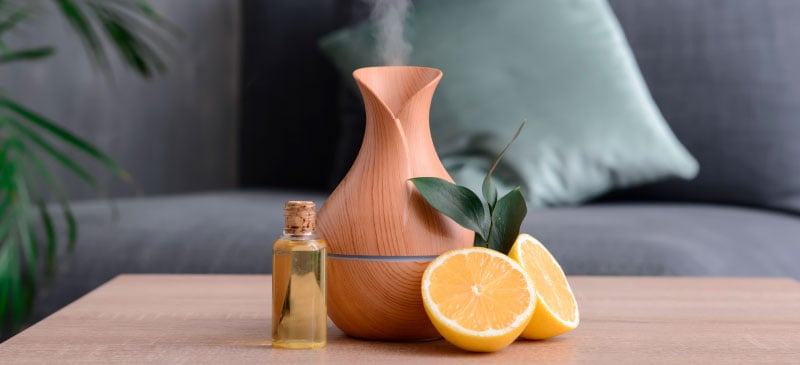
Alternative treatments, such as aromatherapy, are now offered in therapeutic practices, including massage centers, yoga studios and spas, even hospice settings and chiropractic offices. So what is aromatherapy, exactly?
Aromatherapy essential oils are made using dozens of different medicinal plants, flowers, herbs, roots and trees grown all over the world — which have proven, powerful effects on improving physical, emotional and spiritual well-being.
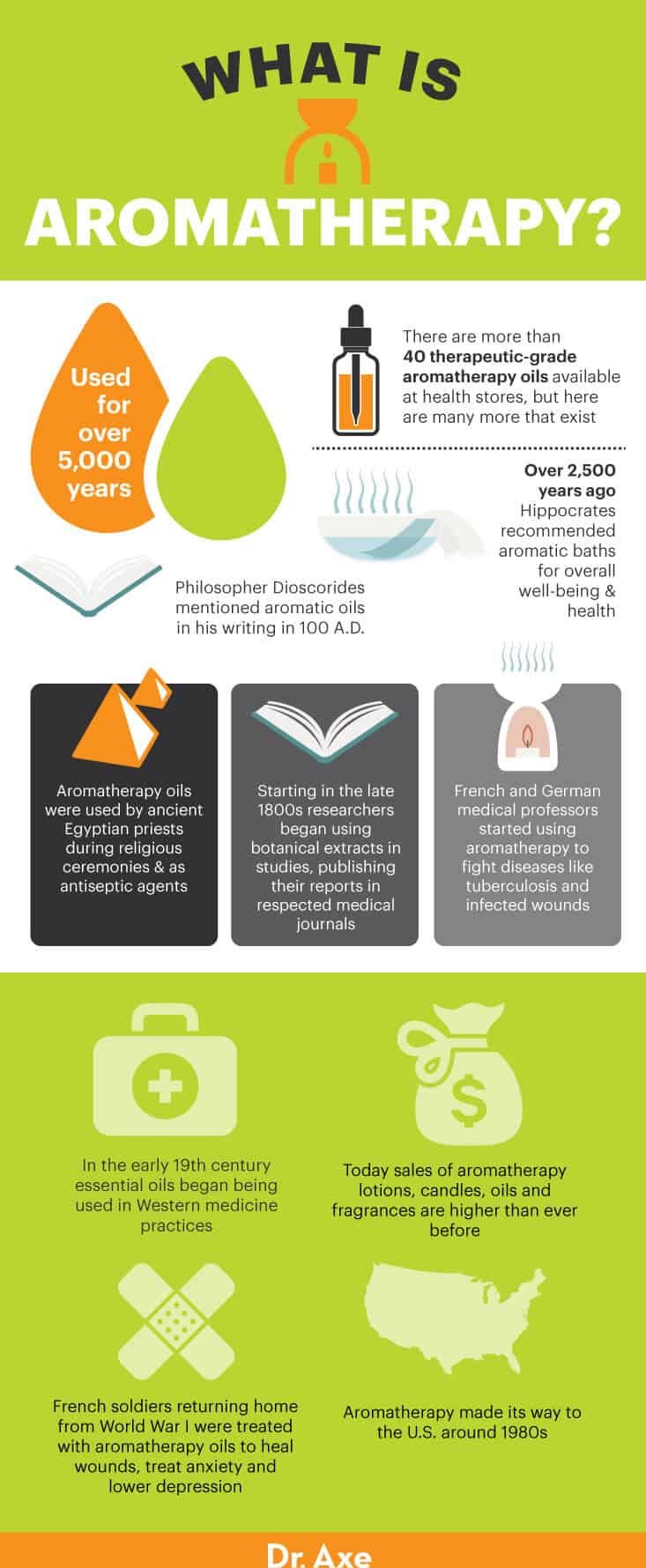
For over 5,000 years, aromatherapy has been a trusted practice among cultures spanning the globe. Natural healers turn to aromatherapy for the many antibacterial, anti-inflammatory and analgesic effects of aromatic essential oils.
So what is aromatherapy used for? Some of the most common reasons that people use it, according to research done by the PDQ Integrative, Alternative, and Complementary Therapies Editorial Board, include:
- managing pain
- improving sleep quality
- reducing stress
- overcoming symptoms of depression
- soothing sore joints
- even battling the effects of cancer
Some popular aromatic oils you might recognize include tea tree, lavender and peppermint oil, used in everything from toothpaste to laundry detergent.
Aromatherapy is a type of alternative medicine practice utilizing fragrant/aromatic essential oils that are derived from a wide variety of healing plants. When inhaled or applied to the skin, therapeutic-grade essential oils (also sometimes called volatile oils) have been shown to help people overcome various health problems.
Here’s some facts about how essential oils work:
- Plants contain certain beneficial chemicals as a means of protecting themselves, including to ward off insects or rodents and defend themselves from bacteria or viruses.
- The active ingredients within the oils are taken directly from high yields of medicinal plants or herbs through a process known as distillation, then mixed with alcohol to preserve their strength. The finished result is a very concentrated oily formula that can be mixed with other substances.
- Because they’re very strong, essential oils used in aromatherapy practices are usually combined with a carrier oil, such almond, jojoba or coconut oil, before being applied directly to the skin.
Aromatherapy can be performed in several different ways:
- Diffusing a combination of essential oils into the air (or just one single oil)
- Inhaling oils through the nostrils directly off of a cloth or from the bottle
- Receiving massage therapy utilizing oils
- Soaking in an oil-infused bath
- Rubbing oils directly onto the skin
Research shows that when used at home, most people use aromatherapy oil candles, apply natural products containing oils to their skin or add oils directly to a soaking bath/warm shower.
What types of plants produce popular essential oils used in aromatherapy? These include:
- Herbs like rosemary, thyme, oregano or peppermint
- Leaves from eucalyptus plants
- Grasses, such as lemongrass
- Fennel seeds
- Zest from fruits, such as oranges, grapefruit or lemon
- Flowers, including rose or geranium
- Wood or bark from trees, including cedar or pine
- Roots from ginger
- Resin from frankincense trees
- And many more
For thousands of years, aromatherapy essential oils have been an important part of self-care and medicinal practices — used as perfumes, tonics, cleansers, wound salves and more. Records show that some of the earliest civilizations to adopt the use of aromatherapy include the ancient Chinese, Indians, Egyptians, Greeks and Romans.
Here is more on the history of aromatherapy:
- Over 2,500 years ago, Hippocrates recommended aromatic baths for overall well-being and health prevention.
- In the year 100 A.D., the famous philosopher Dioscorides mentioned aromatic oils in some of his writings, including cardamon, cinnamon, myrrh, basil, fennel, frankincense, juniper, pine, rose, rosemary and thyme.
- Aromatherapy oils were used by ancient Egyptian priests during religious ceremonies and also as antiseptic agents.
- Starting in the late 1800s, researchers began using botanical extracts in studies, publishing their reports in respected medical journals. French and German medical professors started using aromatherapy to fight diseases like tuberculosis and infected wounds.
- In the early 19th century, essential oils began being used in western medicine practices. Doctors started isolating the active principles of plants (identified as “active ingredient”) to use them in making prescription medications.
- French soldiers returning home from World War I were treated with aromatherapy oils to heal wounds, treat anxiety and lower depression.
- Aromatherapy made its way to the U.S. around 1980s.
- Today, sales of aromatherapy lotions, candles, oils and fragrances are higher than ever before.
Who Benefits from It?
What is aromatherapy used for? Aromatherapy has been studied in connection with improving both short-term health problems, along with more serious disorders.
Research shows that anyone with the following health conditions can likely benefit from aromatherapy:
- Chronic stress or anxiety
- Depression
- Insomnia and trouble sleeping
- Muscle pain
- Joint pain
- Respiratory infections
- Digestive upset
- PMS or menopause symptoms
- Skin problems or disorders, including bites, rashes, bruising, cellulite or acne
- Blood sugar fluctuations
- Cancer
- Fatigue
A growing pool of both human and animal studies has shown that aromatherapy oils can have both sedative and stimulant effects, plus positive effects on the immune system and central nervous system. Recently, studies conducted using functional imaging scans have showed that fragrant aromatherapy oils have positive effects on the primitive region in the brain called the limbic system, which helps control both emotional responses and behaviors.
The key to achieving results from aromatherapy is to use pure, therapeutic-grade oils rather than those with synthetic ingredients or fragrances. The effectiveness of aromatherapy practices always depends on the quality of the oils used, plus the dosage.
Health Benefits of Aromatherapy
1. Promotes Relaxation
Many studies have shown that certain essential oils used in aromatherapy practices, including lavender and chamomile, can help people who feel stressed or anxious relax . The scent of lavender is believed to have a practically universal calming effect that lowers activation of the sympathetic nervous system, responsible for the fight-or-flight response and physical symptoms, such as sweaty palms or a racing heart.
Results from one study published in the Journal of Advanced Nursing found that patients who received aromatherapy reported significantly greater improvement in their moods and perceived levels of anxiety and felt less anxious and more positive immediately following the therapy.
If you’re new to aromatherapy, a simple way to begin is adding several drops of relaxing essential oils for anxiety to a warm bath. For example, five to seven drops of lavender added to a soaking bath (sometimes also with Epsom salt) is a common way to help manage daily stress.
2. May Improve Sleep Quality
Because many aromatherapy oils help people unwind and feel less stressed, they can be very useful for making you feel sleepier before bedtime. Those with insomnia, anxiety, or even restless leg syndrome and hot flashes that strike during the night can benefit from sleep-inducing essential oils, including lavender oil, chamomile, rose, vetiver and ylang ylang.
Adding about five to 10 drops to a diffuser in your home or office can help create a calm environment, plus make a room smell great.
3. Helps Treat Respiratory Issues
Certain aromatherapy oils have antiseptic properties that help cleanse the air of bacteria, fungus and mold that can contribute to respiratory problems, such as congestion, coughing or sneezing.
Research shows that using citrus oils in aromatherapy practices can help improve overall immune function and reduce fatigue associated with depressive states. It’s been found that aromatic oils, such as orange and lemon (those with a citrus fragrance), can restore stress-induced immunosuppression and help restore homeostatic balance.
Essential oils for depression and citrus oils are also beneficial for improving mental health by stimulation of the sensory system called the “olfactory system,” which controls one’s sense of smell.
When citrus oils were given to 12 depressive patients, they showed normalized neuroendocrine hormone levels and improved immune function that was comparable to the effects of antidepressants.
Other than diffusing oils in your home, you can inhale aromatic oils directly from the bottle or rub some directly onto your chest or neck so you can breathe in the particles. There are some great essential oils for allergies and essential oils for sore throat and other respiratory problems.
Essential oils that can help you overcome sinus infections, allergies, colds, the flu, coughs and fatigue include eucalyptus, peppermint, frankincense, rosemary, myrrh, lemon, oregano and tea tree.
4. Supports Skin Health
Diluted essential oils can be spritzed onto the skin or scalp to reduce acne, dandruff, cellulite, toe fungus, itching, inflammation from bites and rashes or to improve wound healing. Tea tree oil (Melaleuca alternifolia) is one of the most popular oils for treating skin problems since it has antibacterial, antiseptic, antifungal and other cleansing qualities.
Other aromatherapy oils for skin (including essential oils for acne) include lavender, clary sage, juniper berry, lemon, orange, helichrysum and frankincense. To make a homemade aromatherapy oil spritzer that you can spray into the troubled area of your skin, add 10–20 drops of oil to a spray bottle containing about four ounces of water.
Use several sprays at one time on your skin, and keep what you don’t use right away for later use. You can also use the same oils on your skin or scalp directly (including making a homemade essential oil shampoo) or spray them throughout your home for other benefits.
5. Can Help Manage Symptoms or Side Effects of Cancer
Aromatherapy is used by patients with cancer primarily as supportive care during treatment, for stress reduction or pain management, or simply for general well-being. It’s common for people battling cancer to try different methods of complementary treatments (including aromatherapy massage therapy, meditation or acupuncture) in which aromatherapy oils can be utilized.
What is aromatherapy used for in cancer patients? Various aromatherapy oils are capable of lowering symptoms associated with cancer or hospice care, such as nausea, fatigue, aches or pains, depression, and insomnia.
Essential oils that can help you cope with cancer symptoms or side effects caused from cancer treatments include frankincense, ginger, lavender, geranium, rose, neroli and clary sage.
One study published in the American Journal of Hospice and Palliative Care found that aromatherapy helped hospice patients decrease pain, anxiety and depression and promote an increased sense of well-being. The study measured the responses of 17 cancer hospice patients to humidified lavender essential oil used in 60-minute aromatherapy sessions. Following aromatherapy sessions, results reflected positive changes in blood pressure and pulse, along with reduced symptoms of pain and emotional upset.
6. Soothes Pain and Inflammation
To help soothe tight or tense muscles, achy joints, inflamed tissue injuries, or pain from headaches, a combination of different aromatherapy oils can be inhaled or applied to the troubled area . Popular essential oils for arthritis pain include ginger, myrrh, turmeric and orange.
You can use other aromatherapy oils for nearly any source of pain, including essential oils for headaches, such as peppermint, spearmint, rosemary and frankincense.
7. Helps Reduce Fatigue and Raise Alertness
An International Journal of Neuroscience study involving 40 patients experiencing depressed moods and mental fatigue found that aromatherapy positively affects alertness, competency on testing (in this case regarding math problems) and improves overall mood. Forty adults were given three minutes of aromatherapy using one of two aromas, lavender (considered a relaxing odor) or rosemary (considered a stimulating odor). Participants completed math computations and surveys regarding their moods before and after the therapy.
Those exposed to lavender aromatherapy showed increased beta power, suggesting increased drowsiness, but they also reported decreases in depressed moods and feeling more relaxed. Although they reported feeling more drowsy, the lavender group participants actually performed the math computations faster and more accurately following aromatherapy.
The rosemary group members showed decreased frontal alpha and beta power, suggesting increased alertness. They also had lower state anxiety scores, reported feeling more relaxed and alert, and were faster at completing the math problems.
8. Improves Libido
Aromatherapy has a long history of use for improving libido, raising energy through increased blood flow and treating sexual dysfunctions. Popular aromatherapy oils for improving hormonal balance, “feminine power” and sexual health include clary sage, sandalwood, rosemary, geranium, ylang ylgang and neroli.
9. Improves Digestion and Lowers Nausea
Aromatherapy oils, such as ginger, turmeric, grapefruit, peppermint, lemon, chamomile and eucalyptus, can help curb acid reflex, ulcers, nausea, indigestion, morning sickness or stomachaches due to PMS.
A 2015 study published in the Journal of Basic Physiology and Pharmacology found that turmeric (Curcuma longa) and ginger (Zingiber officinale) essential oils, which are widely used in Asian countries as traditional medicine and food ingredients, have strong gastroprotective activities, including anti-ulcer potential.
Both supply high levels of antioxidant enzymes, such as glutathione peroxidase, superoxide dismutase, catalase and glutathione, which have been shown to reduce necrosis, erosion and hemorrhage of the stomach wall, significantly reducing stomach pains.
How to Find a Good Aromatherapist
There are a number of different organizations that now train and certify professional aromatherapists, including the Aromatherapy Registration Council (ARC). ARC was created after the Purdue initiative and the Steering Committee on Education Standards in Aromatherapy joined forces. The goal is to overcome lack of education standards in the aromatherapy industry, promote safe practices, and encourage the U.S. Food and Drug Administration to protect public safety and use of essential oils.
Although it depends on the exact program and curriculum, aromatherapy certification usually involves completing at least 30–200 hours of training and passing an exam, such as the ARC exam. Many training programs also require supervised hours working with patients.
Aromatherapists are typically trained in some of the following topics and practices:
- History of aromatherapy
- Profiles of 20 of the most powerful and popular essential oils
- Ensuring quality of essential oils
- Physiology of aromatherapy (including methods of absorption, olfaction, the limbic system, the lymphatic system, the immune system and the skin)
- Treating patients with various essential oils depending on their medical conditions
- Contraindications and safety concerns of certain essential oils
The National Association for Holistic Aromatherapy offers resources on its website to locate a qualified aromatherapist in your area.
Essential Oils for Wellness
Here are my six favorite essential oils, plus treatment and precautions for each:
1. Eucalyptus Radiata (Eucalyptus radiata)
- Used for diffusing into a room when someone may be suffering from cold, cough or any upper respiratory illness. It’s antiviral properties also appear to reduce the severity of cold/flu symptoms.
- The cautionary notes for my clients are to avoid if diabetic as it can raise the blood sugar level. I am also cautious when a client’s history and profile show an asthmatic condition for there may be a negative reaction if this oil is used.
2. Frankincense (Boswellia carterii)
- I diffuse this myself to calm my mind and find that special inner peace before meeting with clients or facing a challenging day. As it has antiseptic and carminative properties, I’ve also used it to treat laryngitis and congestion.
- Precaution: Do not use if pregnant.
3. Peppermint (Mentha piperita)
- This essential oil is my ‘go to’ for any type of ingestion of stomach ache. I also use it in blends for migraines and skin conditions because of its anti-inflammatory properties.
- Precaution: Do not use if pregnant.
4. Lavender (Lavandula angustifolia)
- Used for minor burns, making bath salts and adding it to a carrier oil for a nighttime blend to help relax the breathing and help the client enjoy a peaceful sleep.
- Precautions: As with any essential oil, do not overuse as an allergic reaction may occur over time. Do not use this oil when driving or operating machinery.
5. Lemon (Citrus limonum)
- I love the crisp clean smell from this essential oil. It is a favorite addition to laundry and diffusing in the kitchen.
- Of special cautionary note, lemon essential oil is phototoxic, so do not apply to skin that will be exposed to direct sunlight.
6. Sandalwood (Santalum album)
- This essential oil is pricey due to over harvesting but used sparingly, it goes a long way. I use it for treating my clients that have multiple skin issues such as eczema and dry, chapped or aging skin. It is an amazing oil that has a deep woodsy fragrance that when diffused can help relieve dry coughs and mucus.
- Precautions: This essential oil is safe to use with few precautions. Reminder to always do a skin test and do not use if pregnant or for children under the age of six.
The above six essential oils are only a few of my favorites. I also use Basil, Bergamot, Black Pepper, Cedarwood, Chamomile, Cinnamon, Clary Sage, Clove, Copaiba, Geranium, Marjoram, Tea Tree, Ylang Ylang in many treatments and blends for clients.
I personally do not use any essential oils for clients that may be pregnant or breast feeding.
Education is the number one key to using essential oils properly. Secondly, the quality of the oils is very important in avoiding adverse reactions.
An indicator that the essential oil may not be 100% pure is the price. If the price is too good, be wary of what the actual components and the country of origin are as they may not be 100% essential oil but blended with other components. Another way is to smell the oil, you will know right away with a little experience.
Risks and Side Effects
Depending on a person’s specific medical history, allergies or level of sensitivity, certain types of aromatherapy oils are not recommended. Most essential oils should be kept away from infants and children unless otherwise noted.
If you’re pregnant or breastfeeding, always make sure that any essential oil you use for aromatherapy is safe and won’t pose any risk. (Many do.)
Although essential oils have generally shown minimal adverse effects, potential risks include:
- ingesting large amounts/intentional misuse, which can cause toxicity
- skin irritation, especially when used in large amounts
- allergic contact dermatitis
- photosensitivity to sunlight
In general, only use oils internally when you know for sure they’re completely pure and you have no medical condition requiring that you take medications that can interact with oils. Using aromatherapy oils internally can sometimes be toxic and very harmful, so do your research and ask a professional for an opinion if you ever have any concerns or questions. Always start with the lowest dose possible.
If you have sensitive skin and want to use aromatherapy oils topically, make sure to always dilute oils with a carrier before applying them to your skin, looking out for symptoms, such as a rash, redness or swelling (especially when in the sun). Photosensitive essential oils include bergamot, lemon, lime, bitter orange and angelica root. Citrus oils and oils with menthol (including peppermint) can irritate sensitive skin, so use these carefully, and perform a patch test first.
Conclusion
- Complementary/alternative medicine practices, including aromatherapy using essential oils, have become increasingly popular in recent decades, although essential oils have been used for centuries.
- Aromatherapy works by utilizing aromatic oils that contain many different active components. There are antiseptic, antifungal, anti-inflammatory and antibacterial essential oils.
- What is aromatherapy used for? Benefits and popular uses of aromatherapy include reducing anxiety and depression, colds and coughs, fatigue, pain, PMS, menopause symptoms, nausea, ulcers or indigestion, and arthritis joint pain.
- There are also anti-aging essential oils and essential oils for weight loss, so if someone asks you what is aromatherapy useful for, there is no shortage of ways to respond.

Written by Candice schulz


Leave a comment
This site is protected by hCaptcha and the hCaptcha Privacy Policy and Terms of Service apply.